
Quick answer
Cracked heels need softening and sealing, in that order and at the right time of day. Most people do only one.
Want the authentic one? Every product on TheSkinProof is invoice-verified.
Shop verified body lotions →The short answer
Cracked heels need two steps, in this order: soften the hardened skin first (urea or salicylic acid), then seal it at night with a thick occlusive balm and cotton socks. Most people only apply lotion and skip the softening step, so the lotion sits on top of hard skin and the cracks stay. Done consistently, most people see a difference within one to two weeks. For deep or bleeding cracks, or if you have diabetes, see a doctor.
Why heels crack
Heel skin is thick and has no oil glands. When you walk, your whole body weight lands on the heel. Dry, hardened skin cannot stretch under that pressure, so it splits. In winter the dry air hardens it faster.
In Bangladesh, daily life adds to it: walking all day in open sandals or chappals through dust, going barefoot on floors at home, feet left damp after repeated washing or wudu, and hot baths in winter. Standing for long hours and extra body weight also increase pressure on the heels.
The two-step fix
Step 1: Soften first, with urea or salicylic acid
Ordinary moisturizer cannot get into thick, hard skin. A urea cream (10–25%) breaks down hardened skin and holds water; salicylic acid loosens the layer of dead skin. This is the step most people skip, going straight to moisturizer, and it is why nothing changes.
We do not currently list a dedicated urea foot cream. Among stocked products, the softening step is covered by CeraVe SA Lotion for Rough & Bumpy Skin, which contains salicylic acid along with ceramides. Apply it to clean, dry heels in the evening. Do not use an acid on cracks that are bleeding or raw; it will sting.
Step 2: Then seal, at night, with socks
Once the softening cream has absorbed, apply a thick occlusive balm, then cotton socks. Overnight occlusion is what makes it work. Socks hold the balm on the heel instead of your sheets, and give the skin all night to soften. For the balm, use Bioderma Atoderm Intensive Baume, or the large family tub of Cetaphil Moisturizing Cream for Dry Skin for everyone’s hands and feet. More in body lotions and foot care.
During the day
After your morning bath, apply a body lotion or cream while feet are still damp, such as CeraVe Moisturising Lotion. Closed shoes and socks outdoors keep heels from drying out; if you wear open sandals, reapply once more during the day.
Stocked picks
Prices as of 27 September 2026; the product page shows the current price.
| Product | Step | Size | Price |
|---|---|---|---|
| CeraVe SA Lotion for Rough & Bumpy Skin | Step 1: soften (salicylic acid) | 237 ml | ৳3,099 |
| Bioderma Atoderm Intensive Baume | Step 2: overnight seal | 75 ml | ৳1,799 |
| Cetaphil Moisturizing Cream for Dry Skin | Step 2: large family tub | 453 g | ৳3,449 |
| CeraVe Moisturising Lotion | Daytime, after bathing | 88 ml | ৳1,649 |
A simple seven-day routine
- Every night: soak feet in lukewarm water for 5–10 minutes → pat dry → while soft, a few light strokes with a foot file (two or three times a week, not every night) → softening cream → thick balm once it absorbs → cotton socks.
- Every morning: body lotion or cream after bathing.
- After seven days: once the hard skin has eased, do the softening step every other night and keep sealing every night.
Caring for parents’ and older relatives’ feet
Skin gets drier with age, and many older people cannot comfortably bend down to their feet. When parents or grandparents get cracked heels in winter, someone in the family can take on the nightly balm-and-socks step. Find out whether they have diabetes, and check their feet regularly so that small cuts or blisters are not missed. Walking on a smooth floor with balm on bare feet is slippery, which is another reason the socks matter.
Mistakes to avoid
- Cutting skin with a blade or razor. It risks infection, and the skin grows back thicker. Use a foot file, after soaking, never on dry skin.
- Long hot soaks. They strip more lipids than they add moisture, leaving feet drier.
- Petroleum jelly alone. Good for sealing, not enough by itself. Hard skin has to be softened first.
- Sleeping without socks over the balm. Half of it ends up on the sheets.
- Harsh home remedies on open cracks, such as lemon, lime (chun) or kerosene.
When to see a doctor
- Cracks are deep, bleeding or painful to walk on.
- The skin around them is red, swollen, hot, has pus or smells, which are signs of infection.
- If you have diabetes: never use a blade or razor yourself, and get medical advice quickly for deep cracks or bleeding. Foot infections are a bigger risk, and you may not feel pain as clearly.
- Itching, white soggy skin between the toes, or changing nails, which may be fungal.
- No improvement after two to three weeks of consistent care.
Also read
Cracked hands and feet in winter · which winter body lotion · English guide
Shop verified
Every product is batch-checked against the importer invoice, with 2× money-back if proven counterfeit. Body lotions and foot care · English guide
What to use, how to use it, where to buy it
Step by step, by time of day. Every product is invoice-verified.
- 1
Right after a bath
Gentle foot wash in the bath
Soak feet in lukewarm water for 5–10 minutes and wash with a mild cleanser. Don't scrape hard with pumice or a blade.
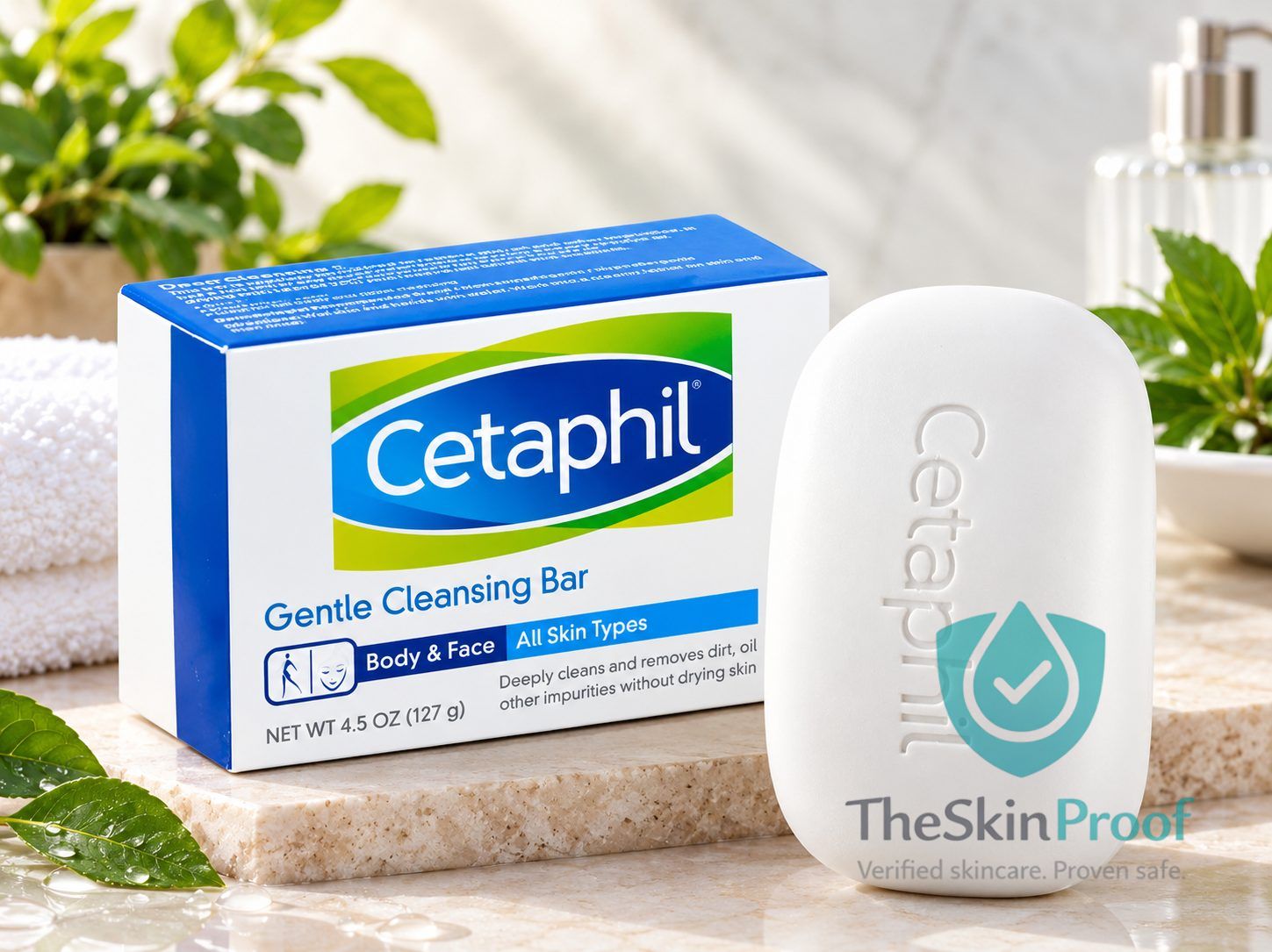 Cetaphil Gentle Cleansing Bar৳1,190Buy
- 2
Right after a bath
Lotion to soften thick skin
A dedicated urea or heel cream isn't on our shelf right now, so use this salicylic-acid lotion once a day on the hard heel skin. Not on open or bleeding cracks.
 CeraVe SA Lotion for Rough & Bumpy Skin৳3,099Buy
- 3
Before bed
Thick cream + socks at bedtime
Massage about a teaspoon of thick cream into both heels and sleep in cotton socks. Every night for at least 2 weeks.
 Cerave Moisturising Cream For Dry to Very Dry Skin৳2,250Buy
- 4
Before bed
Balm in deep cracks
Over the cream, add a thin layer only along the crack lines to seal in moisture.
 Bioderma Atoderm Intensive Baume৳1,799Buy
💡 If you have diabetes, or a crack bleeds, oozes pus, turns red or swells, see a doctor instead of treating it at home.
Frequently asked questions
Why do heels crack in winter?
Heel skin is thick and has no oil glands. The pressure of walking splits dry, hardened skin, and in winter it hardens faster because of the dry air. That is why cracked heels need softening and sealing rather than moisturizer alone.
What is the right way to treat cracked heels?
Soften first, then seal. A urea cream of 10 to 25 percent, or salicylic acid, breaks down hardened skin, which is the step most people skip. Then at night apply a thick occlusive balm and wear cotton socks, since overnight occlusion is what makes it work.
Can I use a blade to remove hard skin on my heels?
No, never use a blade on your heels. File gently with a foot file only after soaking, when the skin is soft, and never file dry skin. Keep soaks short, because long hot soaks strip more lipids than they add moisture and can leave heels drier.
Do I need socks after applying heel cream?
Yes, cotton socks over a thick balm at night help a lot. The socks keep the balm on your heels and create overnight occlusion, which is what lets the skin soften and repair. Apply your softening cream, then the thick balm, then socks before bed.
Do people with diabetes need extra caution with cracked heels?
Yes, skin on the feet heals more slowly with diabetes, so it is safer to check with a doctor before using a strong urea or salicylic acid product. Avoid cutting hard skin with a blade at home.
Do heels crack more in dry winter air?
Yes, dry winter air pulls moisture out of heel skin faster, making it harder and more likely to split. A regular urea-based cream plus wearing cotton socks at night helps during this season.