Quick answer
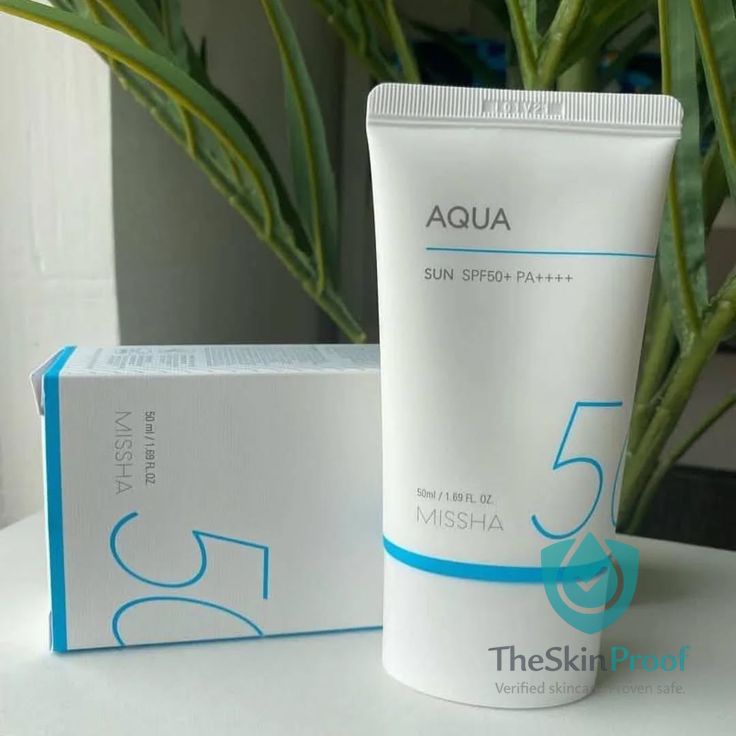
Combination skin does best with an SPF 50 fluid, milk or light gel that keeps the T-zone from shining without tightening the cheeks: Missha Aqua Sun, Minimalist SPF 50 or WishCare Oil Balance Fluid. For winter or drier cheeks, Dot & Key Blueberry. Reapply on the T-zone with a stick or powder.
 ✓ Verified • 2× money-backMissha All Around Safe Block Aqua Sun SPF50+ PA++++From ৳1,189Buy →
The short answer
A combination-skin sunscreen has to keep the forehead and nose from turning greasy without drying the cheeks tight. So skip heavy creams and choose an SPF 50 fluid, milk or light gel.
- For all year: Missha All Around Safe Block Aqua Sun SPF50+ or Minimalist SPF 50 PA++++.
- Very oily T-zone, on a budget: WishCare Niacinamide Oil Balance Fluid SPF50 or The Derma Co 1% Hyaluronic Sunscreen Oil-Free Gel.
- Winter, or drier cheeks: Dot & Key Blueberry Hydrate Barrier Repair SPF 50+.
- For reapplying during the day: Beauty of Joseon Matte Sun Stick SPF50+; over makeup on the T-zone, Lakme 9 to 5 Sun Expert Compact Powder SPF 40.
Why sunscreen is tricky on combination skin
People with combination skin usually have two complaints. A heavy sunscreen leaves the nose and forehead shiny by midday, sometimes with small bumps. A very matte sunscreen makes the cheeks rough, pills or flakes. The underlying issue is the same: the two parts of the face need different things.
Bangladesh’s climate adds to it. From April to September, sweat and humidity make the T-zone oiliest. Meanwhile the air conditioning in offices, classrooms and homes dries the cheeks. In winter the whole face gets drier, yet the nose can still be oily.
What to look for
- SPF 50 with PA+++ or higher. SPF blocks UVB, which burns; PA blocks UVA, which darkens spots and ages skin. The sun in Bangladesh is strong all year.
- Texture: fluid, milk or gel. These are light, absorb quickly and still give the cheeks enough moisture.
- Finish: "natural" or "soft matte". A very dewy finish looks like oil on the T-zone, and a very dry matte finish pulls on the cheeks.
- Size. Face and neck take close to half a teaspoon each time. A 50 ml tube used daily lasts one to one and a half months. 10–15 ml sizes are for trying the texture.
All 8 picks, compared
Prices are from our live catalogue as of 27 September 2026; the product page shows the current price.
| Sunscreen | Best for | Size | Price |
|---|---|---|---|
| Missha All Around Safe Block Aqua Sun SPF50+ | Combination to oily, all year | 50 ml | ৳1,189 |
| Minimalist SPF 50 PA++++ | Combination, sensitive, everyday | 50 g | ৳1,249 |
| WishCare Niacinamide Oil Balance Fluid SPF50 | Oily T-zone, acne-prone, budget | 50 g | ৳999 |
| The Derma Co 1% Hyaluronic Sunscreen Oil-Free Gel | Combination to oily, gel | 50 g | ৳1,199 |
| Dot & Key Blueberry Hydrate Barrier Repair SPF 50+ | Combination to dry, winter | 50 g | ৳1,049 |
| Beauty of Joseon Relief Sun Aqua-Fresh (10 ml) | Trying the texture, keeping in a bag | 10 ml | ৳550 |
| Beauty of Joseon Matte Sun Stick SPF50+ | Reapplying during the day, T-zone | 18 ml | ৳1,649 |
| Lakme 9 to 5 Sun Expert Compact Powder SPF 40 | T-zone touch-up over makeup | 7 g | ৳799 |
To be clear: we have not lab-tested SPF values ourselves. The ratings above are the manufacturers’ labels on genuine, verified stock.
How to apply it, zone by zone
Morning:
- Wash with a gentle gel cleanser.
- Apply a light moisturizer all over, with a little extra on dry cheeks if needed. Which cleanser and moisturizer to use is covered in the combination-skin face wash and moisturizer guide.
- Wait 2–3 minutes, then apply sunscreen. Two full finger-lengths is roughly enough for face and neck. Apply it to the cheeks, then spread the rest thinly over the forehead, nose and chin.
- If the T-zone is very oily, use very little moisturizer there or skip it, but never skip the sunscreen.
During the day:
- If you are outdoors, reapply every 2–3 hours. Wipe off sweat or lift oil with blotting paper, then glide a sun stick over the face.
- Over makeup, you can press an SPF powder onto the T-zone, but powder is a touch-up, not a replacement for your main sunscreen. Details in reapplying sunscreen over makeup.
- For reapplying at work, there is a separate guide: reapplying sunscreen at the office.
Night: remove sunscreen properly with micellar water or a cleansing oil, then your face wash. Left on, it adds to blackheads and bumps on the T-zone.
Practical advice for Bangladesh’s streets
- Rickshaw and bus commutes: the sun is strongest from 9 am to 4 pm. Apply sunscreen 15 minutes before leaving so it sets and does not melt as easily with sweat.
- Riding a bike: sweat under the helmet adds oil and bumps on the T-zone. Choose a light fluid or gel, and when you arrive, blot the sweat with a tissue and glide on a sun stick.
- Wearing a mask: mask friction rubs sunscreen off the nose and cheeks. Reapply there after you take the mask off.
- Hot load-shedding afternoons: if you sweat heavily, you do not need to wash your whole face. Press a tissue to lift sweat and oil, then add a fresh thin layer.
- Sitting by a window: UVA passes through glass, so if your desk is next to a window, keep your morning sunscreen.
Adjusting by season
- Summer and monsoon: Missha Aqua Sun, WishCare or The Derma Co Oil-Free Gel, with very little moisturizer, or moisturizer on the cheeks alone.
- Winter: Dot & Key Blueberry or Minimalist. There is still sun in winter, so do not drop sunscreen.
- Puja, Eid or wedding days: a light fluid under makeup, and a sun stick in your bag.
If your sunscreen pills or looks white
- Pilling (rolling into little balls): usually happens when sunscreen goes on before the moisturizer underneath has settled. Wait 2–3 minutes after moisturizer and keep both layers thin. Pat it on gently rather than rubbing.
- Rough cheeks, oily nose: use a little more moisturizer on the cheeks and less or none on the nose.
- White cast: some mineral-filter sunscreens can leave a white tint on deeper skin tones. Most of the fluids and gels above sit lightly.
- Stinging eyes: sunscreen that runs into the eyes with sweat stings. Use a sun stick or a very thin layer around the eyes.
Common mistakes
- Applying too little. A thin layer out of fear of oiliness will not give the SPF on the label.
- Relying on the SPF in powder or BB cream. These are applied in such small amounts that they do not give full protection.
- Applying once in the morning for the whole day. Sweat, wiping your face and mask friction remove it within hours.
- Putting a new sunscreen straight on the whole face. Try it on the jaw for two or three days first.
- Counterfeit sunscreen. A fake sunscreen is worse than none, because you stay out in the sun believing you are protected. Every product on TheSkinProof is batch-checked against the importer’s invoice, with 2× money back if proven counterfeit.
For a broader list covering every skin type, read which sunscreen is best.
When to see a doctor
If a sunscreen repeatedly causes itching, swelling or a red rash, stop using it and see a dermatologist. Also see a doctor for spreading brown patches that look like melasma, sunburn with blisters, or a mole that is changing in size or colour.
Frequently asked questions
What sunscreen texture suits combination skin best?
A fluid, milk or light gel with a natural or soft-matte finish suits combination skin best. It absorbs quickly, does not make the T-zone greasy and still keeps the cheeks comfortable. Missha Aqua Sun, Minimalist SPF 50, WishCare Oil Balance Fluid and The Derma Co Oil-Free Gel are good examples.
How much sunscreen should I apply on combination skin?
Use about two full finger-lengths, close to half a teaspoon, for the face and neck. Applying a thin layer because of oiliness gives much less protection than the label says. Put it on the cheeks first, then spread the remainder thinly over the forehead, nose and chin.
Are the SPF ratings in this guide lab-tested by TheSkinProof?
No, TheSkinProof has not lab-tested SPF values itself. The ratings are the manufacturers’ labels on genuine stock that is batch-checked against the importer’s invoice. That verification matters because a counterfeit sunscreen can leave you in the sun believing you are protected when you are not.