
Quick answer
Water matters for health, but winter dry skin mostly comes from dry outdoor air, so extra water does not replace moisturiser. Use CeraVe Moisturizing Cream on the face and Vaseline Cocoa Glow lotion on the body, and eat winter vegetables, fish, eggs and nuts.
 ✓ Verified • 2× money-backCerave Moisturizing Cream For Normal To Dry SkinFrom ৳1,549Buy →
The short answer
Drinking too little water leaves you tired, headachy and constipated, and real dehydration makes skin look dull too. But in winter the main reasons skin dries out are dry outdoor air, hot baths and harsh soap. If you already drink a reasonable amount, drinking more won't make your skin noticeably softer. So drink water for your health, and moisturise your skin from the outside: Cerave Moisturizing Cream For Normal To Dry Skin on the face and Vaseline Intensive Care Cocoa Glow Body Lotion on the body. Pale yellow urine means you are drinking enough. The full daily routine is in our 24-hour winter skincare routine.
Water and skin: what the evidence actually says
"Drink eight glasses a day and your skin will glow" is a popular line. The truth is a bit more complicated.
- The deeper layers of skin get moisture from the body's water. With real dehydration, for example from diarrhoea or fever, skin becomes loose and dry.
- But the very top layer, the one that feels rough and cracks, depends far more on the outside air and on the skin's own oils. When winter air is dry, water evaporates from this layer.
- A few small studies found that people who drank very little to begin with saw a slight rise in skin hydration when they drank more. For people who already drink enough, the effect of extra water is small or unclear.
Put simply: water is not a substitute for moisturiser, and moisturiser is not a substitute for drinking water. You need both; they do different jobs.
How much to drink
There is no single number for everyone. For most healthy adults, around eight to ten glasses of fluid a day is about right, and that includes tea, dal, soup and the water in fruit. The easiest guide is urine colour: pale yellow is fine, dark yellow means drink more. Thirst drops in winter, so older people in particular drink less. A glass at set times through the day helps them. If a doctor has told you to limit fluids because of kidney or heart disease, follow that advice.
Do tea and coffee dry out your skin?
This is an old myth. Tea and coffee contain caffeine, which slightly increases urine, but if you regularly drink two or three cups a day it does not dehydrate you. A cup of tea does roughly the same job as a cup of water. Too many cups can cut into your sleep, though, and short sleep makes skin look tired. And a habit of lots of sugar in tea is worse for your teeth and weight than for your skin. Cutting tea and coffee after the evening helps you sleep better.
Winter foods that are good for skin
No food fixes dry skin in a week, but a balanced diet supplies what the skin barrier is built from. These are easy to find in Bangladeshi winter markets:
- Winter vegetables: carrots, sweet pumpkin, sweet potato and red amaranth (lal shak) contain beta-carotene, which the body turns into vitamin A. Spinach, cauliflower, cabbage, broccoli and tomatoes supply vitamin C and other useful nutrients.
- Fruit: oranges, malta, amla, guava and boroi (jujube) provide vitamin C, which the body needs to make collagen.
- Fish: hilsa, pomfret, pangas and sea fish contain omega-3 fats. Small fish eaten with their bones add calcium.
- Eggs: protein plus several vitamins, including biotin. One egg a day is fine for most people.
- Nuts and seeds: peanuts, almonds, sesame and flaxseed provide healthy fats and vitamin E. A handful is enough.
- Dal and yoghurt: protein and zinc; yoghurt also helps digestion.
Don't start high-dose vitamins or supplements on your own. If you suspect a deficiency, a doctor can test and tell you what you need.
Putting winter ghee, honey and milk cream on your face is covered separately in ghee, honey and milk cream: winter home remedies.
Care from the outside: the routine, when and how much
Food and water help from the inside, but the real answer to winter dryness is this routine:
- Morning face wash: lukewarm water with CeraVe Hydrating Facial Cleanser Normal to Dry. It strips less of the skin's oil.
- Serum on damp skin (optional): while your face is still slightly damp, two or three drops of The Ordinary Hyaluronic Acid 2% + B5. Hyaluronic acid holds water, but on its own in dry air it can leave skin feeling tighter. So always put a cream on top.
- Moisturiser: a little more than a pea-sized amount of Cerave Moisturizing Cream For Normal To Dry Skin on face and neck. For very dry skin, a budget alternative is Simple Kind To Skin Replenishing Rich Moisturiser.
- Sunscreen by day: if you go out, apply a sunscreen such as Dot & Key Blueberry Hydrate Barrier Repair Sunscreen SPF 50+ PA++++ after the cream, two finger-lengths.
- After the bath: a short lukewarm bath, then Vaseline Intensive Care Cocoa Glow Body Lotion all over within three minutes.
- Before bed: cream on the face again, and Laneige Lip sleeping mask on the lips.
A full list of which moisturiser suits which skin is in our winter moisturiser guide for dry skin, and fixes for cracked, rough skin are in winter cracked and rough skin.
Common mistakes
- Trying to fix dryness with water alone. Drink four litres a day without cream and your lips and cheeks will still crack.
- Forcing down huge amounts of water. Drinking a lot very quickly can upset the body's salt balance. A normal amount is enough.
- Giving up tea and coffee for your skin's sake. Not necessary; just keep the amount sensible.
- Not checking that older relatives drink enough in winter. They feel less thirsty but are at greater risk of dehydration.
- Applying hyaluronic serum to damp skin and skipping cream on top.
- Ignoring an illness behind dry skin. Read the doctor section below.
The Bangladesh reality
There is no sweat in winter and little thirst, so at the office, in class or on the bus a single bottle of water often goes unfinished. Many people drink four or five cups of milky, sugary tea a day and very little water. It is also the season of pitha, fried snacks and sweets. None of these is forbidden, but adding the plentiful winter vegetables, oranges and fish keeps both body and skin in better shape. Keeping a water bottle on your desk and drinking a glass of water with every cup of tea is an easy habit. More answers are on the winter lifestyle questions page.
Why buy authentic
Dry skin already has a weak barrier, so unknown ingredients in a fake cream irritate it easily. TheSkinProof is an invoice-verified skincare marketplace. If a product is proven counterfeit you get 2× your money back; claims must be made within 7 days of delivery. Delivery across Bangladesh, cash on delivery available.
When to see a doctor
If skin stays very dry despite regular moisturiser, sometimes an illness is behind it. See a doctor if you notice:
- Signs of an underactive thyroid (hypothyroidism): dry skin all over, always feeling cold, weight gain, tiredness, thinning hair, constipation.
- Signs of diabetes: strong thirst, frequent urination, unexplained weight loss, wounds that heal slowly, itching on the feet or genital area. If you have diabetes, read our winter foot care for people with diabetes.
- Signs of kidney or liver problems: itching all over, yellow eyes or urine, swollen feet.
- Iron deficiency: paleness, weakness, brittle nails.
- Dehydration: very little urine, dizziness, a parched mouth, especially in older people and children.
- Dryness, cracking or itching that hasn't eased after two weeks of proper moisturising, or red patches that keep spreading.
What to use, how to use it, where to buy it
Step by step, by time of day. Every product is invoice-verified.
- 1
Morning, before going out
Gentle hydrating cleanser
In the morning, wash with one pump in lukewarm water. Move to the next step before your face is fully dry.
 CeraVe Hydrating Facial Cleanser Normal to Dry৳1,399Buy
- 2
Morning, before going out
Hyaluronic serum on damp skin
Two or three drops on slightly damp skin. It is optional; if you use it, always put cream on top.
 The Ordinary Hyaluronic Acid 2% + B5৳1,959Buy
- 3
Morning, before going out
Moisturiser
A little more than a pea-sized amount on face and neck. Apply again before bed.
Cerave Moisturizing Cream For Normal To Dry Skin৳1,549Buy - 4
During the day
Sunscreen
If you go out, two finger-lengths after the cream. Reapply after two hours in the sun.
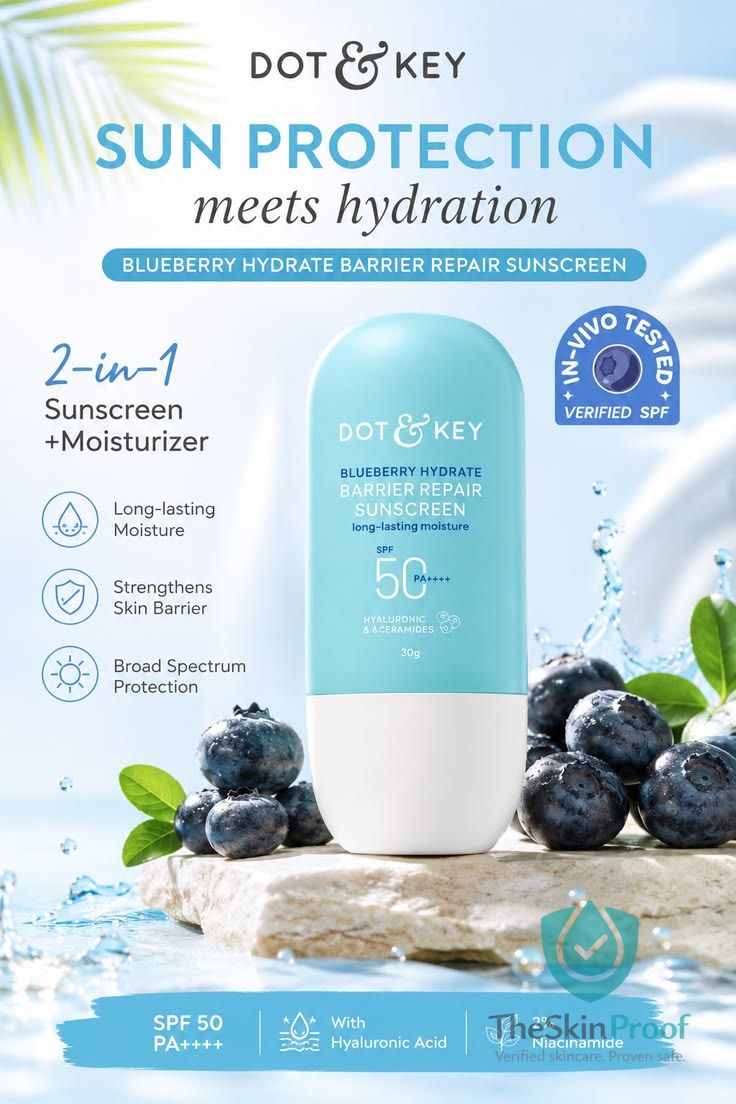 Dot & Key Blueberry Hydrate Barrier Repair Sunscreen SPF 50+ PA++++৳1,049Buy
- 5
Right after a bath
Body lotion after the bath
After a short lukewarm bath, pat dry and apply all over within three minutes.
 Vaseline Intensive Care Cocoa Glow Body Lotion৳789Buy
- 6
Before bed
Overnight lip mask
A thin layer on the lips before sleep. Don't lick them.
 Laneige Lip sleeping mask৳519Buy
💡 Drink a glass of water with every cup of tea, and however much you drink, never skip your morning and night cream.
Frequently asked questions
Does drinking less water in winter dry out your skin?
Real dehydration makes skin look dry, but winter dryness mainly comes from dry air, hot baths and harsh soap. If you already drink enough, extra water does little for your skin. So keep drinking for your health, and moisturise your face and body from the outside.
Will drinking more water make my skin glow?
The evidence is weak. People who drank very little to begin with see a slight rise in skin hydration when they drink more; for others the effect is small. Drink enough to keep your urine pale yellow, not huge amounts. For skin, a morning and night moisturiser does more.
Do tea and coffee dehydrate the skin?
No, that is a myth. Two or three cups a day do not dehydrate you; a cup of tea does roughly the same job as a cup of water. Many cups can cut your sleep, which makes skin look tired, so ease off after the evening and go light on the sugar.
What should I eat in winter for healthier skin?
Carrots, sweet pumpkin, sweet potato, red amaranth, spinach and tomatoes; oranges, malta, amla and guava; fish such as hilsa or pomfret; an egg a day; and a handful of nuts or sesame. They supply what the skin barrier needs, alongside your moisturiser, not instead of it.
My skin stays very dry even with cream. Could it be an illness?
It can be. Always feeling cold, weight gain, tiredness and thinning hair suggest an underactive thyroid; strong thirst, frequent urination and slow-healing wounds suggest diabetes; itching all over with yellow eyes can mean kidney or liver problems. See a doctor if two weeks of moisturising doesn't help.