
Quick answer
Before going out, apply a thin layer of Cetaphil Moisturizing Cream, then Beauty of Joseon Relief Sun sunscreen and Fix Derma Lip Shield on the lips, and cover your face with a scarf. Back home, wash with lukewarm water and apply Minimalist Vitamin B5 Moisturizer.
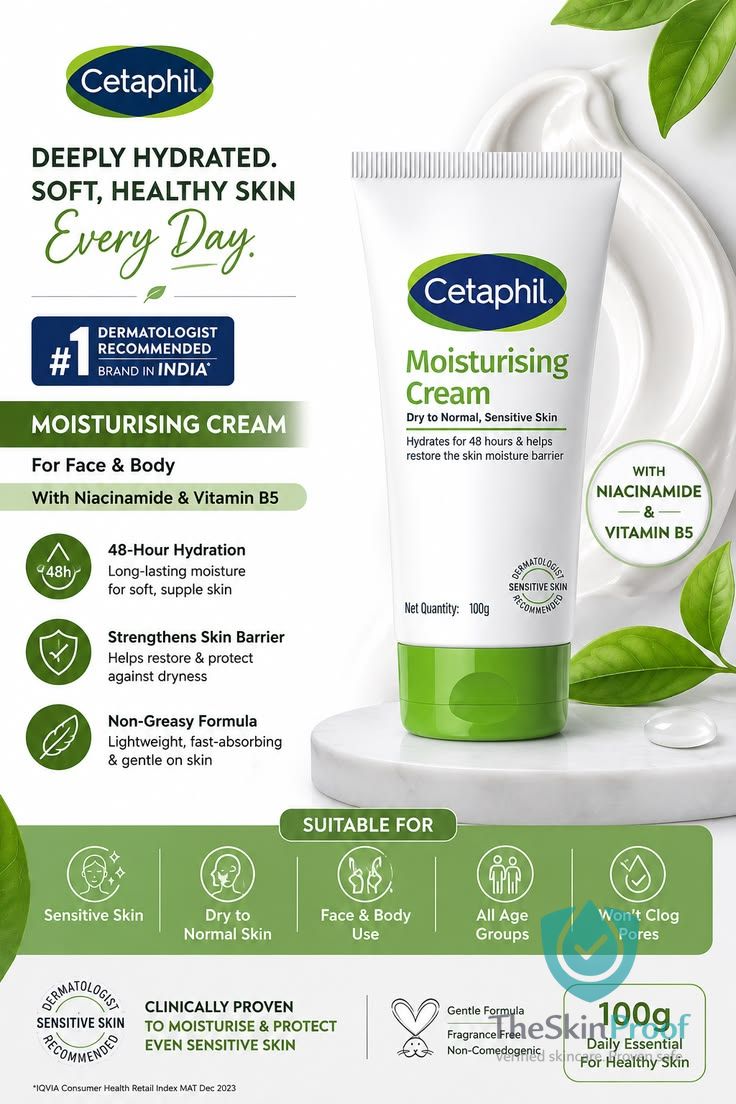 ✓ Verified • 2× money-backCetaphil Moisturizing Cream Dry to Very Dry, Sensitive SkinFrom ৳1,000Buy →
The short answer
When dry, cold winter wind hits your face for a long time, oil and water evaporate from the skin's protective top layer (the barrier). Your cheeks, nose and lips then turn red, sting and feel tight. This is called windburn. The fix has three parts: before going out, a thin "shield" of thick cream such as Cetaphil Moisturizing Cream Dry to Very Dry, Sensitive Skin; sunscreen on top, such as Beauty of Joseon Relief Sun: Rice + Niacinamide SPF50+ PA++++; and a scarf or orna over your nose and cheeks outdoors. When you get home, wash gently with lukewarm water and apply a soothing panthenol moisturiser such as Minimalist 10% Vitamin B5 Face Moisturizer. On lips, Fix Derma Lip Shield SPF50 PA+++. Until the stinging settles, stop scrubs, acids, retinol and fragranced products.
What windburn really is, and how it differs from sunburn
Windburn means the skin barrier has been weakened for a while by wind. Cold, dry air pulls water out of the skin fast, and the force of the wind strips natural oils from the top layer. The result: redness, stinging, mild itching, and a few days later rough skin that flakes off.
Many people think there's no sun in winter, so no risk of sunburn. In fact, even at midday in December and January there is UV light, and it hits harder where it reflects off river water, the sand of a char or at height in the hills. So what feels like "windburn" is often wind and sun together. That is why you still need sunscreen in winter. Read more in winter sunscreen.
Who gets it most
- Bikers and ride-share riders: at 40–60 km an hour the cold wind hits the face directly, especially with the visor up.
- Rickshaw and van passengers, and rickshaw pullers: long stretches in open air through the morning fog.
- People crossing rivers: on the decks of ferries, launches and trawlers the river wind is much stronger and colder.
- Hill and tea-garden travellers: in Bandarban, Sajek and Sreemangal the wind is stronger at height and the sun is harsher.
- Early-morning walkers and runners, sportspeople, construction workers and farmers.
- People with sensitive skin, rosacea or eczema: their barrier is already weak, so even a little wind causes stinging.
Before going out: the protection routine
- Wash: lukewarm water and a gentle cleanser such as Cetaphil Gentle Skin Cleanser Normal To Dry Skin. 30 seconds, then pat dry with a towel.
- A shield of thick cream: about two pea-sized amounts of Cetaphil Moisturizing Cream Dry to Very Dry, Sensitive Skin over the whole face, with an extra thin layer on the cheeks, the tip of the nose and the chin. This puts a cover between the wind and your skin.
- Wait 2–3 minutes, then sunscreen. Two finger-lengths of Beauty of Joseon Relief Sun: Rice + Niacinamide SPF50+ PA++++ on face and neck. If your skin is very sensitive, a mineral sunscreen such as Axis-Y Complete No-Stress Physical Sunscreen SPF50 usually stings less.
- Lips: a thick layer of Fix Derma Lip Shield SPF50 PA+++. Lips catch the wind first.
- Clothing: cover your nose and cheeks with a soft cotton scarf or orna. A wool muffler rubbing on the face can increase stinging; if needed, keep a cotton layer underneath. On a bike, use a full-face helmet or keep the visor down.
While you're outside
- Reapply lip balm every 2–3 hours.
- If you're in the sun for a long time (char, river, hills), reapply sunscreen.
- Don't rub your face to wipe sweat or water; pat gently.
- Don't lick your lips. Saliva dries and cracks them further.
Back home: the soothing routine
- Wash your face in lukewarm water, not hot. Hot water may feel nice on a stinging face, but it increases redness.
- A gentle cleanser is enough to remove sunscreen; rub lightly with your fingertips.
- While the face is still slightly damp, apply a panthenol moisturiser such as Minimalist 10% Vitamin B5 Face Moisturizer. Panthenol (vitamin B5) soothes the skin and helps the barrier repair.
- At night, another thin layer of Cetaphil Moisturizing Cream Dry to Very Dry, Sensitive Skin on dry areas.
- If it stings a lot, soak a clean soft cloth in cool (not icy) water and hold it gently on the skin for 5 minutes. Don't rub ice directly on the face.
- As long as redness and stinging last, stop scrubs, peels, AHA/BHA, retinol, vitamin C serums and fragranced products. Skin usually settles in 3–7 days.
What NOT to do (common mistakes)
- Skipping sunscreen because "there's no sun in winter". Wind and sun together do more damage.
- Only a light gel moisturiser. Gel evaporates quickly in wind; you need a thick cream before going out.
- Licking lips and peeling off rough skin. It causes wounds and bleeding.
- Applying lemon, toothpaste, aftershave or spirit. On stinging skin these sting even more.
- Trying to "lift" redness with turmeric-gram flour packs or scrubs. It breaks the barrier further.
- Sitting with your face right in front of the heater as soon as you get home. Going suddenly from cold to heat increases redness.
- Using a pharmacy steroid cream on your own. Facial skin is thin; steroids can later cause more redness and breakouts.
The Bangladesh reality
In Dhaka, Gazipur and Chattogram, hundreds of thousands of people ride bikes to the office every day or work as ride-share riders. In the north (Rangpur, Dinajpur, Panchagarh) temperatures drop sharply in January and the northern wind chills to the bone. In the south, people cross rivers on launches and trawlers; on a launch deck at Paturia-Daulatdia or Chandpur you face the wind for hours. And there are the winter-holiday family trips to Sylhet, Sreemangal and Bandarban. The same rules work everywhere: thick cream, sunscreen, lip balm, and a cotton cloth over the face. There is a separate post on the travel kit: a winter skincare kit for Sylhet, Sreemangal and Bandarban trips. Bikers should also read winter skincare for bikers and outdoor workers.
One practical point: keeping a small lip balm and a sunscreen in your pocket or bag solves half the problem. To plan the whole day, see the 24-hour winter skincare routine, and for short answers to other winter problems visit Winter problems: questions and answers.
Why authentic products matter
On stinging skin with a weak barrier, a fake cream or sunscreen can make irritation worse with unknown fragrance and adulterants, and a fake sunscreen may not have the SPF printed on it. TheSkinProof is an invoice-verified skincare marketplace: the source invoice of every product is checked. If a product is proven counterfeit, you get 2× your money back when you claim within 7 days of delivery. We deliver across Bangladesh, and cash on delivery is available.
When to see a doctor
Ordinary windburn settles in a few days. But see a dermatologist or your nearest doctor if:
- Blisters appear on the face, or the skin peels away and looks raw.
- The face swells a lot, or swollen eyelids make it hard to open your eyes.
- An area looks white or grey, feels hard and numb (if this happens in extreme cold, don't wait).
- Yellow pus, crusting, warmth or worsening pain, with fever.
- Red, painful, watering eyes or sensitivity to light.
- Redness and stinging haven't eased after a week of care.
- Your face often turns red or feels hot even without wind; this may be rosacea. Read Face always red? A gentle guide to rosacea.
What to use, how to use it, where to buy it
Step by step, by time of day. Every product is invoice-verified.
- 1
Morning, before going out
Gentle face wash
30 seconds with lukewarm water, then pat dry with a towel. Never hot water.
 Cetaphil Gentle Skin Cleanser Normal To Dry Skin৳999Buy
- 2
Morning, before going out
Thick cream shield
About two pea-sized amounts over the whole face, plus an extra thin layer on cheeks and nose tip. Let it sit 2 to 3 minutes.
Cetaphil Moisturizing Cream Dry to Very Dry, Sensitive Skin৳1,000Buy - 3
Morning, before going out
Sunscreen
Two finger-lengths on face and neck 15 minutes before going out. Reapply every 2 to 3 hours outdoors.
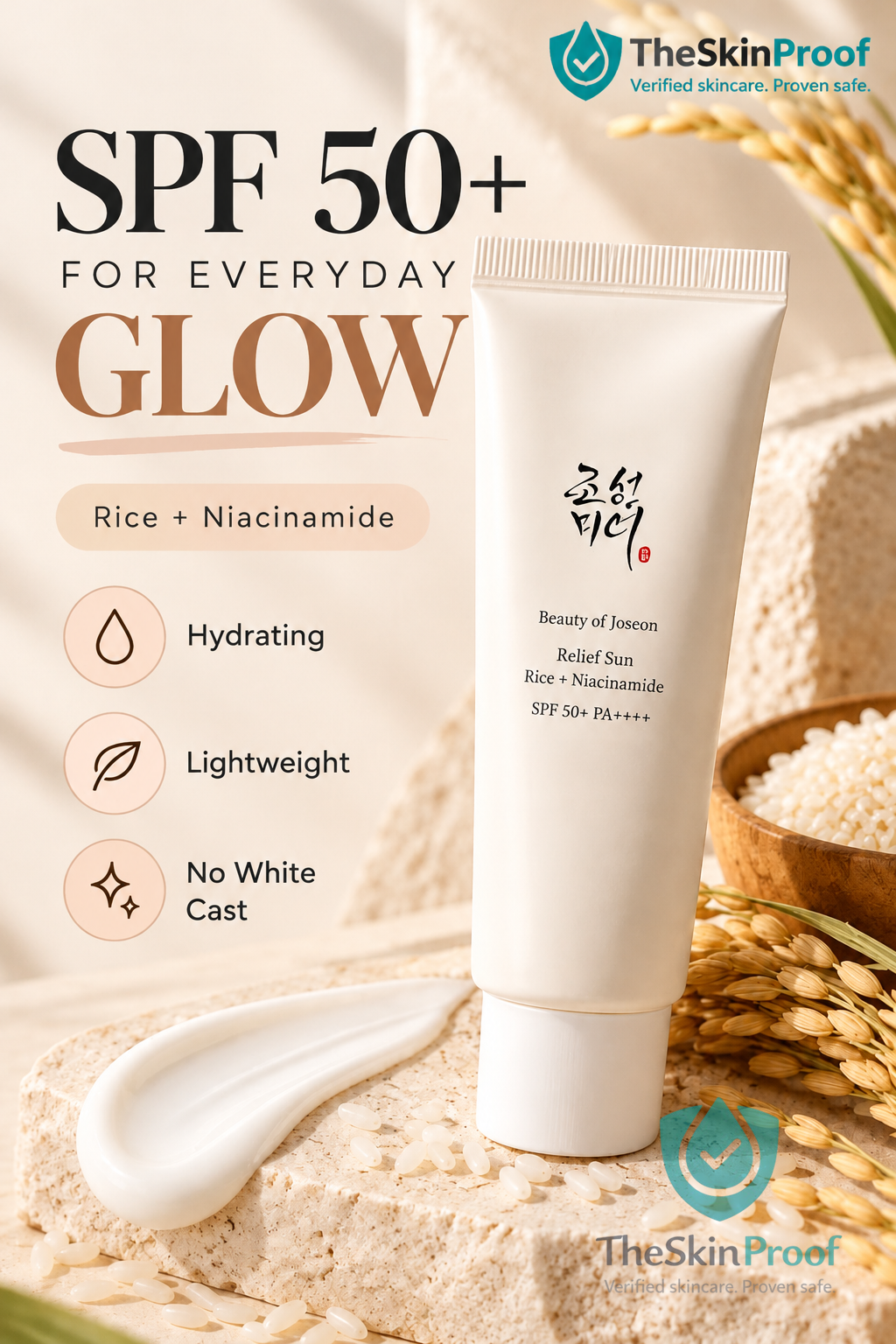 Beauty of Joseon Relief Sun: Rice + Niacinamide SPF50+ PA++++৳549Buy
- 4
During the day
SPF lip balm
A thick layer before going out, then every 2 to 3 hours. Don't lick your lips.
 Fix Derma Lip Shield SPF50 PA+++৳649Buy
- 5
Evening, back home
Soothing moisturiser back home
After washing with lukewarm water, a pea-sized amount on damp skin. While it stings, no scrubs, acids or retinol.
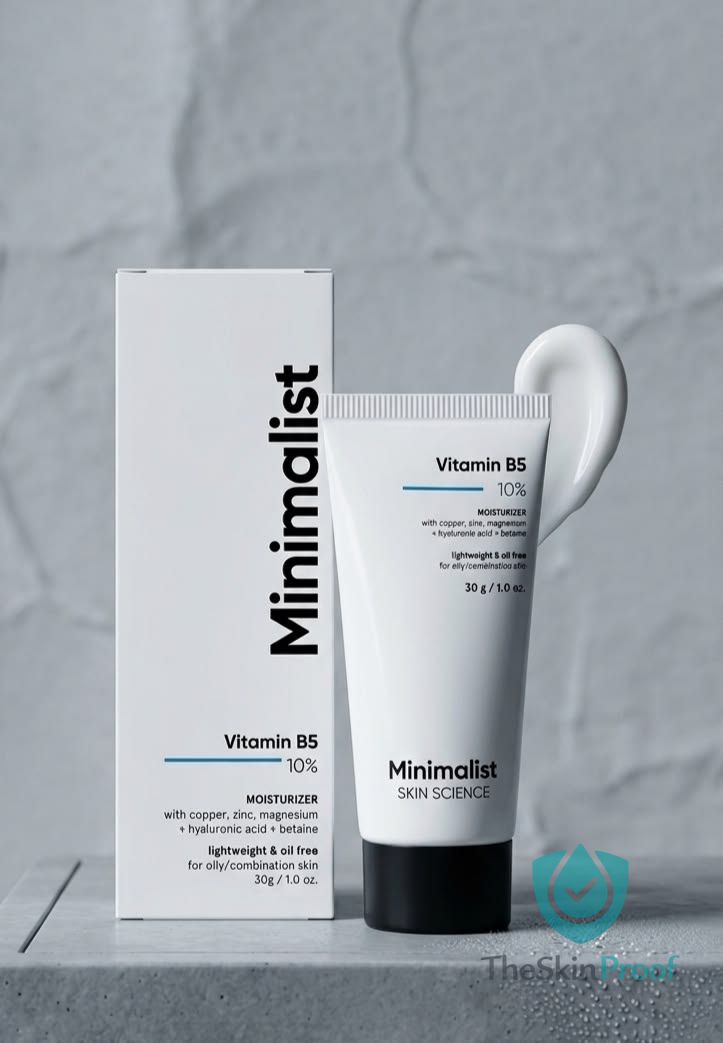 Minimalist 10% Vitamin B5 Face Moisturizer৳1,049Buy
- 6
Night
Night cream on dry patches
A thin layer on cheeks, the sides of the nose and chin before sleep.
Cetaphil Moisturizing Cream Dry to Very Dry, Sensitive Skin৳1,000Buy
💡 Cream first, sunscreen second, and cotton over the face. With all three in place, the wind can't burn your face.
Frequently asked questions
What is windburn and why does my face sting in winter wind?
Windburn is when cold, dry wind strips water and oil from the skin barrier, leaving cheeks and nose red, tight and stinging. It is common on bikes, launches and in the hills. A thick cream, sunscreen and a cotton scarf before going out prevent most of it.
What should I put on windburned skin?
Wash gently with lukewarm water, then apply a soothing panthenol moisturiser such as Minimalist 10% Vitamin B5 Face Moisturizer on damp skin. At night add a thin layer of Cetaphil Moisturizing Cream. Pause scrubs, acids, retinol and fragranced products until it settles.
Do I need sunscreen when riding a bike in winter?
Yes. UV is present even on winter middays, and wind plus sun burn the face faster. Apply two finger-lengths of sunscreen over your cream 15 minutes before riding, use an SPF lip balm, and reapply every 2 to 3 hours if you stay outside.
When should I see a doctor for windburn?
See a doctor for blisters, raw peeling skin, heavy swelling of the face or eyelids, white or grey numb patches, pus or fever, red painful eyes, or redness that has not eased after a week of gentle care.