
Quick answer
They can if used carelessly: keep a heater a metre away, wear cotton under wool, and apply Bioderma Atoderm Crème or Cetaphil Moisturizing Cream for Dry Skin after bathing. See a doctor for a net-like heater mark.
 ✓ Verified • 2× money-backBioderma Atoderm Crème Ultra-Nourishing CreamFrom ৳2,799Buy →
The short answer
Room heaters, blankets and woollens are not skin enemies in themselves, but used carelessly they increase dryness, itching and marks. Keep a heater at least one metre from your body, never point it straight at your face or legs, and don't sleep with it on. Always wear a cotton layer under wool. In the shower use a gentle bar such as Cetaphil Gentle Cleansing Bar, and after bathing and before bed apply a rich cream such as Bioderma Atoderm Crème Ultra-Nourishing Cream or Cetaphil Moisturizing Cream for Dry Skin. If a net-like brownish-red pattern appears on your legs or thighs from sitting by a heater, switch the heater off and see a doctor. The full daily routine is in our 24-hour winter skincare routine.
How a room heater dries your skin
Winter air is already dry. A heater warms the air but adds no water to it. Warm air can hold more water, so it pulls moisture from your skin and lips. The result: a tight face in the morning, cracked lips, rough soles and itching at night.
The closer the heater and the longer it runs, the greater the effect. A fan heater blows hot air directly, so pointed at your face it dries you out the most. An oil-filled radiator gives gentler heat. None of them is bad; they just need to be used sensibly.
Rules for using a heater
- Keep it at least one metre, roughly three feet, from your body.
- Don't point it at your face, legs or lap. Angle it towards the middle of the room.
- Once the room is warm, switch it off or lower the thermostat. Don't sleep with it running all night.
- Keep clothes, blankets and curtains away from it.
- Never heat a room with a lit gas stove. Many people in Bangladesh do this, but in a closed room it builds up carbon monoxide, which has no smell and can kill. With any kerosene or gas heater, keep a window slightly open.
Does a bowl of water help?
Honest answer: very little. A bowl beside the heater lets some water evaporate, but it does not meaningfully raise the humidity of a whole room. It does no harm, so keep it if you like, but don't skip your cream because of it. A humidifier, if you have one, genuinely adds moisture. Around 40 to 60 percent humidity is comfortable. Change the water and clean a humidifier every day, or mould and germs grow inside. Drying damp laundry in the room at night also adds a little moisture. The most effective step is still the same: a rich cream on the skin that locks water in.
Heater marks (erythema ab igne): what they are
Some people sit with their legs very close to a heater every day, or keep a hot-water bottle, laptop or heat pad on the same spot. After a few weeks a net-like red or brown pattern appears there, usually on the front of the legs, the thighs or the belly. This is erythema ab igne, sometimes called "toasted skin". It is not a burn; it comes from repeated moderate heat.
- If you remove the heat source early, the pattern usually fades slowly over months.
- Don't rub brightening or harsh spot-removing creams on it; they only irritate the skin.
- It is worth seeing a doctor once if you notice it, because years of heat on the same spot can, rarely, lead to long-term skin changes that a doctor should check.
- With diabetes or nerve problems you feel heat less in your feet, so don't keep a heater near them. See our winter foot care for people with diabetes.
Why wool itches
Wool fibres are thick and coarse. On dry skin they prickle, so sweaters, shawls and mufflers make you itch and leave the neck red. Usually this is not an allergy, just friction irritation. It is worse if you have eczema.
- A cotton layer underneath. Wear a cotton vest or long-sleeved T-shirt under a wool sweater, and a cotton scarf under the muffler.
- Wash new sweaters before wearing. Shop clothes carry dyes and finishing chemicals.
- Loose fits. Tight woollens rub more.
- Keep skin soft. Wool prickles less on moisturised skin.
The full causes of body itching, and a routine for it, are in our guide to winter body itch.
Blankets and quilts: keeping them clean
In many Bangladeshi homes the lep and blankets sit in a cupboard all year and go straight onto the bed in winter. They collect dust and dust mites, which can trigger sneezing, itchy eyes and eczema flares.
- Before winter starts, put quilts and blankets in strong sun for a few hours and shake them out well.
- Use covers on quilts and blankets, and wash the covers every one to two weeks. Washing a whole lep is hard; washing a cover is easy.
- If you can, wash covers and pillowcases in hot water and dry them in the sun.
- Keep a cotton sheet between your body and a wool blanket.
Detergent residue: the hidden cause
Many people switch soaps or creams to stop itching when the real cause is detergent left in their clothes. Washing in cold winter water dissolves and rinses detergent less well.
- Don't use more detergent than the measure.
- Add one extra rinse in clean water at the end.
- Go easy on strongly scented fabric softener, especially for children and people with sensitive skin.
- Rinse well anything washed with bleach or a harsh powder.
The routine: when, how much, how
- Bath (morning or midday): a lukewarm bath under 10 minutes. Soap only on underarms, groin and feet, with a gentle bar such as Cetaphil Gentle Cleansing Bar. More on hot water in our winter hot-shower guide.
- Within three minutes of bathing: pat dry and apply a rich cream all over. Bioderma Atoderm Crème Ultra-Nourishing Cream suits very dry skin; for a whole family the big tub of Cetaphil Moisturizing Cream for Dry Skin is practical. One leg needs about two teaspoons.
- Evening in a heated room: if your face feels tight, apply another pea-sized amount of Cetaphil Moisturizing Cream Dry to Very Dry, Sensitive Skin.
- Before bed: rich cream on hands, elbows, knees and heels. On very rough patches, a thin layer of Bioderma Atoderm Intensive Baume. We don't have a dedicated foot cream on our shelf right now, so use this rich cream on the heels at night; cotton socks on top help it work better.
- Lips: if you sleep in a heated room, go to bed with Vaseline Lip Therapy Cocoa Butter on your lips.
Common mistakes
- Sitting with legs stretched right in front of the heater, or putting a heater under the blanket.
- Sleeping with a heater or gas stove on and the doors and windows shut.
- Wearing a wool sweater directly on the skin.
- Using a year-old quilt without sunning it or washing its cover.
- Buying a steroid ointment from the pharmacy for itching without a doctor.
- A long, very hot bath followed by getting dressed with no cream.
- Assuming a bowl of water means you don't need cream.
The Bangladesh reality
Most homes in Dhaka don't have a room heater; where there is one, it runs only at night or in an elderly relative's room. In the north, in Panchagarh, Thakurgaon, Dinajpur and Rangpur, heaters, sitting by a fire and hot-water bottles are much more common during cold waves. Sitting close to a fire causes the same dryness and heat marks. Older people and children spend the most time near heaters, and their skin dries the most. So a big tub of rich cream for the whole household is the most practical answer. More questions like these are answered on the winter lifestyle questions page.
Why buy authentic
On dry, itchy skin a fake cream makes things worse, because it can contain unknown fragrance or chemicals. TheSkinProof is an invoice-verified skincare marketplace. If a product is proven counterfeit you get 2× your money back; claims must be made within 7 days of delivery. Delivery across Bangladesh, cash on delivery available.
When to see a doctor
- If a net-like red-brown pattern appears where a heater or hot-water bottle sits, especially if it doesn't fade after you stop the heat, or if it develops a sore, a hard patch or pain.
- If a heater causes blisters or a burn.
- If itching hasn't eased after two weeks of regular cream, or it wakes you at night.
- If others at home itch at the same time, or there are small bumps between the fingers (this can be scabies).
- If eczema patches spread, ooze or show pus. See our eczema skincare guide.
- If you get a headache, drowsiness or nausea, especially with a gas or kerosene heater in a closed room: open the windows at once, get outside and seek emergency care.
What to use, how to use it, where to buy it
Step by step, by time of day. Every product is invoice-verified.
- 1
Right after a bath
Gentle cleansing bar
Bathe in lukewarm water for under 10 minutes. Use soap only on underarms, groin and feet, and don't scrub hard with the towel.
 Cetaphil Gentle Cleansing Bar৳1,190Buy
- 2
Right after a bath
Rich body cream after bathing
Pat dry and apply all over within three minutes, about two teaspoons per leg. Then a cotton layer, with wool on top.
Bioderma Atoderm Crème Ultra-Nourishing Cream৳2,799Buy - 3
Evening, back home
Face cream in a heated room
In the evening, apply another pea-sized amount if your face feels tight. Keep the heater at least a metre from your face.
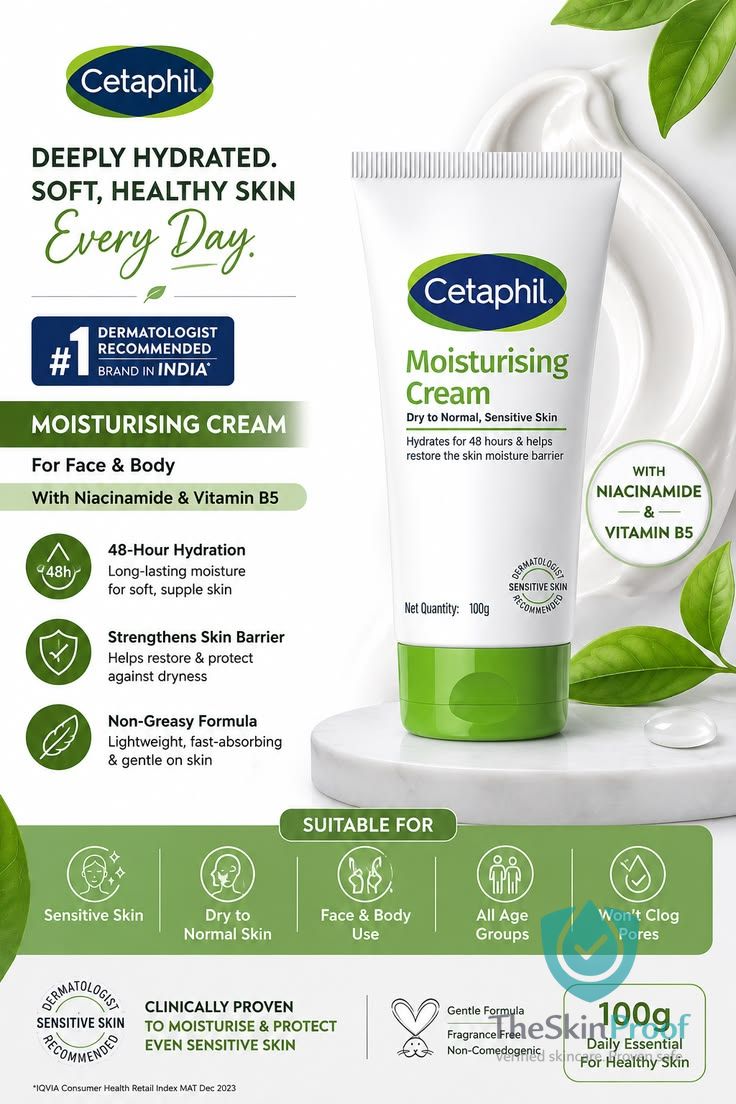 Cetaphil Moisturizing Cream Dry to Very Dry, Sensitive Skin৳1,000Buy
- 4
Night
Balm for rough patches
Before bed, apply a thin layer to elbows, knees and heels, with cotton socks over the heels. Switch the heater off before you sleep.
 Bioderma Atoderm Intensive Baume৳1,799Buy
- 5
Before bed
Lip balm
If you sleep in a heated room, go to bed with a thin layer on your lips. Don't lick them.
 Vaseline Lip Therapy Cocoa Butter৳298Buy
💡 Wash quilt covers every one to two weeks and dry them in the sun, and give laundry one extra rinse at the end.
Frequently asked questions
Does a room heater dry out your skin?
Yes. A heater warms the air without adding water, so it pulls moisture from your skin and lips. Keep it a metre away, don't point it at your face, and switch it off once the room is warm. Apply a rich cream such as Bioderma Atoderm Crème after bathing and before bed.
Does a bowl of water next to the heater help?
Only a little. One bowl barely changes the humidity of a whole room, though it does no harm. A humidifier genuinely helps if you clean it daily. The most effective step is a rich cream on the skin that locks water in, so don't skip your cream because of the bowl.
What is the net-like mark on my legs from sitting by the heater?
It is probably erythema ab igne, a pattern caused by repeated heat. Move the heater or hot-water bottle away first; it usually fades over months. Don't rub brightening creams on it. See a doctor once, and promptly if the mark develops a sore, a hard patch or pain.
How do I stop wool sweaters making me itch?
Wear a cotton vest or T-shirt underneath, wash new sweaters before wearing them, and choose looser fits. Wool itch is usually friction on dry skin rather than an allergy, so applying a rich body cream after your bath makes wool prickle much less.
Can laundry detergent cause itchy skin in winter?
Yes. Detergent left in clothes is a common hidden cause, especially when washing in cold water. Use no more than the measured amount, add one extra rinse, and cut back on strongly scented softener, particularly for children and sensitive skin.