
Quick answer
Apply CeraVe Moisturising Cream after every hand wash, massage Bioderma Atoderm Intensive Baume into cuticles at night, and wear rubber gloves for dishes. See a doctor if the nail fold is red and swollen or the nail turns yellow and thick.
 ✓ Verified • 2× money-backBioderma Atoderm Intensive BaumeFrom ৳1,799Buy →
The short answer
Nails break and cuticles crack in winter mainly because of water: hands get wet and dry over and over, while the cold dry air pulls the rest of the moisture out. The fix has three parts. After every hand wash, rub a little thick cream into the whole hand including nails and cuticles, such as Cerave Moisturising Cream For Dry to Very Dry Skin. At night before sleep, massage a pea-sized dab of Bioderma Atoderm Intensive Baume into the cuticles. And wear rubber gloves for dishes and laundry. We do not stock a dedicated hand cream or cuticle oil right now, so this cream and balm are the closest honest fit, and they genuinely work. If the skin around a nail turns red, swollen or pus-filled, or a nail goes yellow and thick, see a doctor.
Why nails break and cuticles crack in winter
A nail is made of thin, stacked layers of keratin. When it gets wet it swells a little; when it dries it shrinks again. Do that twenty times a day and the layers loosen. The tip starts to split into paper-thin layers or snaps easily.
Winter adds several things on top:
- Dry northern wind. With low humidity, water leaves the nails and cuticles fast.
- Hot water. In winter almost everyone washes dishes and clothes in hot water. Hot water plus detergent strips the skin's oils.
- Frequent ablution (wudu). Five ablutions a day means the hands get wet and air-dry again and again. Skipping wudu is not the point; the two minutes of care afterwards are.
- Nail polish remover. Acetone dries out the nail and cuticle badly.
- Cutting or pulling cuticles. The cuticle is the guard at the base of the nail. Cut it and you open a path for cracks and infection.
What to apply
Nails and cuticles need two things: a cream for the day and a thick balm or oil for the night.
- Day cream: Cerave Moisturising Cream For Dry to Very Dry Skin or Cetaphil Moisturizing Cream Dry to Very Dry, Sensitive Skin. Both are fragrance-free, contain ceramides or glycerin, and let you keep working after applying. Keep a small tube or tub in your bag.
- Night balm: Bioderma Atoderm Intensive Baume. It is thick and sits over cracked skin like a lid. For cuticles and the base of the nail, this does the most.
- Oil (optional): we do not have a dedicated cuticle oil on our shelf right now. As the closest alternative, massage 2 to 3 drops of Ribana Organic Coconut Oil into the cuticles. More on coconut oil in our coconut oil guide.
To be honest: a dedicated hand cream is not on our shelf at the moment. A good face or body cream does the same job on hands; the texture may simply feel a little different.
The 2-minute night routine: when, how much, how
Right before sleep, after your last ablution or hand wash:
- Pat your hands with a soft towel; do not dry them completely.
- Apply one fingertip of cream across both hands, especially between the fingers and around the nails.
- Now take a pea-sized dab of balm. Using your thumb, rub small circles at the base and both sides of each nail for about 10 seconds. Ten fingers take about two minutes.
- If you like, wear thin cotton socks or old cotton gloves to bed so it does not rub onto the pillow.
- Two or three nights a week, you can use 2 to 3 drops of coconut oil instead of the balm.
Do this every night for two weeks and the cuticle cracks settle. New nail takes time to grow, so a split tip can take 3 to 6 months to grow out fully. That is normal. To see where hand care sits in a full day, read the 24-hour winter skincare routine.
During the day: dishes, ablution, laundry
- Dishes and laundry: wear rubber gloves. If your hands sweat inside, wear thin cotton gloves underneath. Wash and cream your hands afterwards.
- After ablution: pat dry and rub half a pea of cream into both hands. It absorbs before prayer, so the hands do not feel greasy. Wash normally at the next ablution.
- While cooking: after cutting onion, garlic or chilli, wash and cream your hands. Squeezing lemon stings cracked cuticles, so take extra care that day.
- Outdoors: on a bike, in a rickshaw or on an early walk, wool or cloth gloves protect nails from cold wind.
- Hand sanitiser: alcohol dries the hands. When soap and water are available, use them instead, then cream.
Nail polish and remover
- If you wear polish in winter, take a 1 to 2 week break in between and let the nails breathe.
- Use remover no more than 2 to 3 times a month. Acetone-free remover dries less.
- After remover, wash your hands straight away and apply cream and balm.
- Do not pick polish off. It lifts the top layer of the nail with it.
- File rather than clip, stroking in one direction. Nails are softer after a bath; trimming then causes fewer splits.
What to do about hangnails
A hangnail is a small strip of skin lifting at the side of a nail. Winter makes them common.
- Do not bite or tear it. Pulling rips the skin deeper and makes it bleed.
- Snip it gently at the base with clean small scissors or a nail clipper.
- Keep the area clean, then apply a little balm.
- If it bled or is cut, cover it with a plaster for a few hours.
Does food make nails stronger? Facts and myths
- "Nails break from lack of calcium": usually not. Nails contain very little calcium. There is no evidence that drinking more milk makes nails harder.
- "Gelatin makes nails strong": an old idea with weak evidence.
- Biotin: may help people with a true deficiency, not everyone. Biotin supplements can also distort some blood test results, including thyroid tests, so tell your doctor before any test if you take it.
- Iron deficiency: thin nails that curve inward like a spoon, together with tiredness, call for a blood test. Iron deficiency is common in Bangladesh, especially among women.
- What actually helps: a balanced diet with eggs, fish, lentils and greens. But the real cause of winter nail breakage is outside water and dryness, so the fix comes from outside too.
Common mistakes
- Cutting cuticles or letting the parlour push them back hard.
- Not applying cream after washing, thinking "once at night is enough".
- Washing dishes bare-handed in hot water and detergent.
- Rubbing nails with lemon, toothpaste or baking soda to make them look clean and bright. These dry them further. The reasons are in our post on home remedies that harm the skin.
- Biting nails.
- Putting perfumed lotion on cracked cuticles, which stings.
The Bangladesh reality
In most homes here, mothers and household helpers spend hours a day doing water work. Gloves are not bought, or wearing them "feels awkward". Yet a pair of rubber gloves is the cheapest way to save your nails. A small cream in your bag at the office or in class makes 3 to 4 applications a day easy. When you get your nails done at a parlour, ask them not to cut the cuticles. In villages and cities alike, many people rub mustard oil into the cuticles. That is not harmful, but it irritates some people; details in the mustard oil guide. For the whole hand, see dry, cracked hands and feet in winter, and all body-area winter questions are together on the Winter FAQ: body areas page. For the full guide from scalp to heels, read head to toe: caring for every part of the body in winter.
When to see a doctor
If any of these happen, do not just keep applying cream and waiting; see a dermatologist or doctor:
- The skin around a nail is red, swollen, hot, painful or has pus (an infection at the nail fold).
- A nail is turning yellow, white or brown and becoming thick and crumbly, or lifting off the skin underneath. This can be a fungal infection, which creams do not clear; it needs testing and treatment.
- A new dark or brown streak under the nail that does not move as the nail grows.
- Nails curving inward like a spoon, together with tiredness or dizziness.
- You have diabetes and a finger has a cut, crack or infection.
- Cuticles still crack and bleed after two to three weeks of steady care.
Why buy authentic
Cracked cuticles and the skin around the nails are very delicate. A fake or relabelled cream with unknown fragrance or chemicals raises the risk of stinging and infection. TheSkinProof is an invoice-verified skincare marketplace: we check the source invoice for every product. If a product is proven counterfeit you get 2× your money back, with claims made within 7 days of delivery. We deliver across Bangladesh, and cash on delivery is available.
What to use, how to use it, where to buy it
Step by step, by time of day. Every product is invoice-verified.
- 1
Morning, before going out
Hand cream in the morning
After the morning wash or Fajr ablution, half a pea of cream over the whole hand, especially around the nails. Keep one in your bag too.
 Cerave Moisturising Cream For Dry to Very Dry Skin৳2,250Buy
- 2
During the day
After every hand wash
After ablution or dishes, pat dry and apply a little cream again. Wear rubber gloves for dishes and laundry.
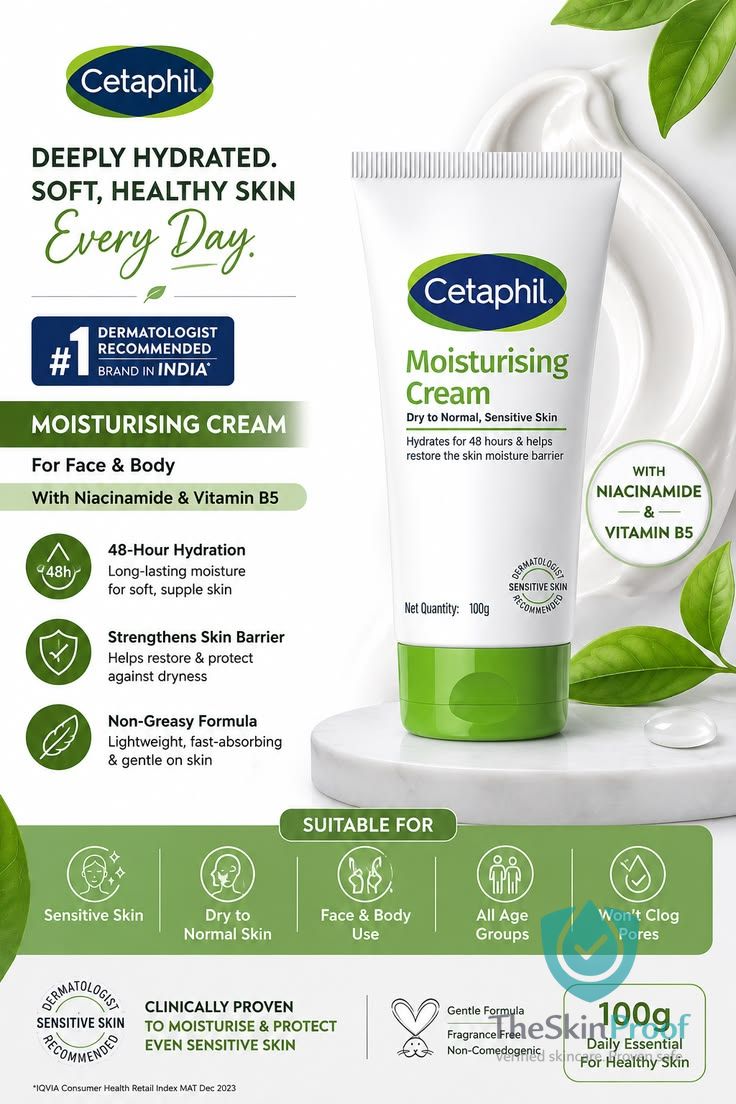 Cetaphil Moisturizing Cream Dry to Very Dry, Sensitive Skin৳1,000Buy
- 3
Right after a bath
Gentle bar
Use a gentle bar instead of harsh soap, with lukewarm water. Nails are soft after a bath, so trim or file them then.
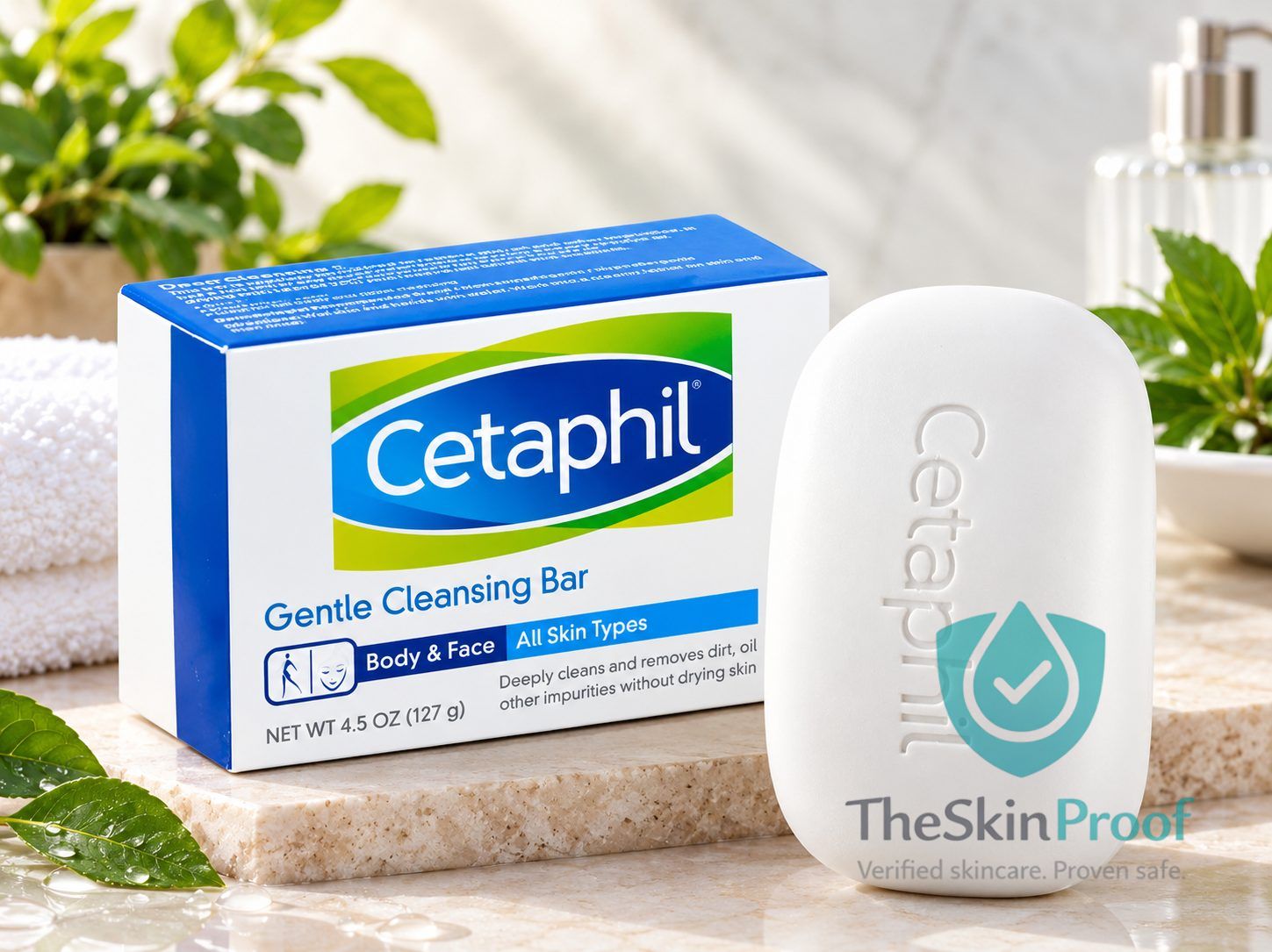 Cetaphil Gentle Cleansing Bar৳1,190Buy
- 4
Night
Thick balm on cuticles
Before sleep, rub a pea-sized dab into the base and sides of each nail for 10 seconds. Cotton gloves overnight help.
Bioderma Atoderm Intensive Baume৳1,799Buy - 5
1–2 times a week
Oil 2 to 3 nights a week
Instead of balm, massage 2 to 3 drops of coconut oil into the cuticles. We do not stock a dedicated cuticle oil right now.
 Ribana Organic Coconut Oil৳450Buy
💡 Rubber gloves are the cheapest way to protect nails. Keep a pair where you wash dishes and clothes.
Frequently asked questions
Why do my nails split more in winter?
Mostly because of water. Wetting and drying the hands many times a day loosens the keratin layers of the nail, and dry winter air pulls out the remaining moisture. Hot water, detergent and nail polish remover make it worse. Cream after every wash and gloves for chores make the biggest difference.
What should I put on cracked cuticles at night?
A pea-sized dab of Bioderma Atoderm Intensive Baume massaged into each cuticle for about 10 seconds before bed. During the day, apply CeraVe Moisturising Cream For Dry to Very Dry Skin after every hand wash. Keep it up for two weeks and the cracks settle. Do not cut your cuticles.
Do you sell a hand cream or cuticle oil?
Not right now. A dedicated hand cream and cuticle oil are not on our shelf. A fragrance-free face or body cream does the same job on hands, for example CeraVe Moisturising Cream For Dry to Very Dry Skin, and a few drops of Ribana Organic Coconut Oil work as a simple cuticle oil.
When is a nail problem a reason to see a doctor?
See a doctor if the skin around a nail is red, swollen, painful or has pus; if a nail turns yellow, thick and crumbly or lifts off; if a new dark streak appears under a nail; if nails curve like a spoon with tiredness; or if you have diabetes and a finger is cut or infected.