
Quick answer
After each wudu, pat your hands, face and feet completely dry, use lukewarm water when you can, and apply a quick-absorbing light lotion such as Cetaphil Moisturizing Lotion after Isha before sleep and after Fajr. Use a thick cream on heels at night and Vaseline Lip Therapy on lips.
 ✓ Verified • 2× money-backCetaphil Moisturizing Lotion for Normal to Dry Sensitive SkinFrom ৳999Buy →
The short answer
Doing wudu five times a day in cold water means your hands, face and feet get wet and dry out again and again, and that is what makes them crack. The fix has three parts: pat completely dry every time, use lukewarm water when you can, and moisturise at the right times. During the day, between one wudu and the next, a thin, quick-absorbing lotion such as Cetaphil Moisturizing Lotion for Normal to Dry Sensitive Skin or Pond's Hydra Miracle with Cera-Hyamino Light Moisturiser works well. After Isha, before sleep, when there is a long stretch with no wudu ahead, use Vaseline Intensive Care Cocoa Glow Body Lotion on hands and feet and a thick Bioderma Atoderm Intensive Baume on heels. For lips, Vaseline Lip Therapy Cocoa Butter.
This is one part of a full winter routine. You will find the whole morning-to-night routine in our 24-hour winter skincare routine guide. Winter questions about other body areas are in the body areas section of our Winter FAQ Centre.
Why skin cracks more after wudu
Water itself is not the enemy of skin. The problem is water that stays on the skin and evaporates in the air. Winter air is dry, so water leaves wet skin quickly and pulls the skin's own moisture out with it. When that happens five times a day, the skin's protective outer layer, called the skin barrier, gets weaker.
The places that suffer most:
- Between the fingers and at the fingertips: water collects there and rarely gets dried properly.
- The backs of the hands and the wrists: thin skin that feels tight fast.
- The sides of the nose, the forehead and the chin: they get wet repeatedly and turn rough.
- The heels and between the toes: cold floors and walking barefoot dry them further.
- The lips: after rinsing the mouth, people lick their lips as they dry, which makes them crack more.
Step by step: what to do after every wudu
- Use lukewarm water when possible. Not hot, just comfortable on the hand. A flask or a bucket of warm water at home makes Fajr and Isha much easier. If that is not possible at the mosque or office, cold water is fine; the next steps simply matter more.
- Pat completely dry with your own towel or gamchha. Don't rub; press. Dry between the fingers, the wrists, behind the ears and between the toes separately. Leaving skin wet to air-dry is the single biggest cause of damage.
- Carry a small pocket towel or handkerchief. Mosques and offices often have no towel. A small cotton handkerchief in your bag or pocket solves the problem.
- After daytime wudu, a very thin lotion if needed. Take a pea-sized amount on the back of one hand and rub both hands together. Choose a thin lotion that sinks in within a minute.
- Don't lick your lips. Dry them, then use a lip balm if needed.
Moisturiser and wudu: a practical note
Many people ask whether moisturiser causes any problem for the next wudu. That is a question of religious practice, and we are not giving any opinion on it. The right thing is to ask the scholar or imam whose guidance you follow.
From the skincare side, a practical approach many people follow is this: during the day, use a thin, water-based lotion in a very small amount, so it is fully absorbed long before the next wudu and leaves no greasy or waxy film on the skin. Thick creams, balms and oils are kept for after Isha before sleep, when there are several hours with no wudu ahead. By Fajr, your hands and feet get washed anyway during ghusl or wudu.
How to recognise a thin lotion: it is runny in the hand, comes out of a pump or tube easily, and disappears within a minute of rubbing. Cetaphil Moisturizing Lotion for Normal to Dry Sensitive Skin and Pond's Hydra Miracle with Cera-Hyamino Light Moisturiser are this kind.
The daily routine, by prayer time
| Time | What to do | How much |
|---|---|---|
| After Fajr | Dry face and hands, thin lotion, balm on lips | Two peas for the face, one pea for the hands |
| Before going out | Sunscreen on the face if you will be in the sun | A strip the length of two fingers |
| After Dhuhr and Asr | Pat fully dry; a very thin lotion if hands feel tight | One pea |
| After Maghrib | Dry, balm on lips | A little |
| After Isha, before sleep | Body lotion on hands and feet, thick cream on heels, a thick layer of balm on lips, cotton socks | Half a teaspoon for the hands, about a teaspoon per foot |
Give your face a little more care after Fajr, because the dawn air is the coldest and driest. Pat it dry and apply a thin lotion or light moisturiser. If you are out in the sun during the day, sunscreen is a good idea; winter sun still carries UV.
Hands: cracked fingertips and tight skin
We don't have a dedicated hand cream on our shelf right now, and we want to say that plainly. But a separate hand cream is not essential. A thin face or body lotion in the day, and a bit more body lotion or a thick cream at night, does the job for most people.
- At night: after Isha, use a generous amount of Vaseline Intensive Care Cocoa Glow Body Lotion on your hands. If your fingertips are cracked, add a little Bioderma Atoderm Intensive Baume there.
- When washing dishes or clothes: wear rubber gloves. Soap and detergent dry the skin more than wudu does.
- The skin beside the nails: don't pull it off. Put thick cream there at night.
You will find more detail in how to stop hands and feet cracking in winter.
Face: rough patches beside the nose and on the chin
Your face is already washed five times a day, so there is no need for extra face wash during the day. A gentle cleanser once, morning or night, is enough; the other times, water alone. Pat the face dry, never rub. If the skin beside your nose is flaking, don't scrub it; use a little more moisturiser at night and it softens within a few days.
Feet and heels: bare feet and cold floors
After washing the feet in wudu, many people walk straight into sandals with wet feet. That is what cracks heels the most.
- After washing, dry the whole foot, including between the toes.
- Don't stand barefoot on a cold mosque or home floor for long; use soft sandals or socks when you can.
- After Isha, before sleep, put a thick cream on your heels and wear cotton socks.
A dedicated foot cream or urea cream is not on our shelf right now. Instead, Bioderma Atoderm Intensive Baume or Cerave Moisturizing Cream For Normal To Dry Skin on the heels at night under socks works well. For detailed heel care, read how to fix cracked heels.
Lips
After rinsing the mouth during wudu, lips stay wet and then dry out. Pat them dry, then apply lip balm. A thin layer of Vaseline Lip Therapy Cocoa Butter in the day, and a thick layer or Laneige Lip sleeping mask at night before sleep. Read more in how to fix chapped lips.
Common mistakes
- Letting wet hands and face air-dry. The biggest mistake of all.
- Very hot water. Lukewarm is comforting, but very hot water strips the skin's oils.
- Thick creams or oils during the day. Thin lotion in the day, thick products at night.
- Licking lips and peeling off cracked skin.
- One wet towel for everyone. A shared damp towel at home or the mosque isn't good for skin either; keep your own dry handkerchief.
- Scrubbing hands with lemon, detergent or harsh soap. It adds sting and dryness to cracked skin.
The Bangladesh reality
In villages and small towns, many mosques use tube-well or tank water for wudu, and on December and January dawns that water is ice cold. In the north, in Rangpur, Dinajpur and Panchagarh, winter bites even harder. Many older people and women do housework, cooking and laundry all day on top of five wudus, so their hands crack the most. A flask of lukewarm water at home, a dry towel by the wudu spot, and a lotion next to the prayer mat make the habit easy. Rubbing lotion into elderly parents' hands and feet at night is a kind way to care for them, too.
Why authentic products matter
Fake lotion or balm on cracked skin can cause stinging, itching and rashes. TheSkinProof is an invoice-verified skincare marketplace: the source of every product is checked against invoices. If a product is proven counterfeit, you get 2× your money back; claims must be made within 7 days of delivery. We deliver across Bangladesh, with cash on delivery available.
When to see a doctor
- Cracks are bleeding, or they are deep and painful.
- Redness, swelling, warmth, pus or yellow fluid, which are signs of infection.
- White, soggy, itchy skin between the fingers or toes, which may be a fungal infection.
- No improvement after two weeks of regular care, or small itchy blisters appearing.
- If you have diabetes, show any crack, sore or loss of feeling in the feet to a doctor without delay.
What to use, how to use it, where to buy it
Step by step, by time of day. Every product is invoice-verified.
- 1
Morning, before going out
Thin lotion after Fajr
After wudu, pat your face and hands completely dry. Apply two peas of thin lotion to the face and one pea to the hands; it absorbs within a minute.
Cetaphil Moisturizing Lotion for Normal to Dry Sensitive Skin৳999Buy - 2
During the day
Light moisturiser after daytime wudu
After Dhuhr and Asr, dry fully first. If hands or face feel tight, use a very small amount of light moisturiser; no thick creams in the day.
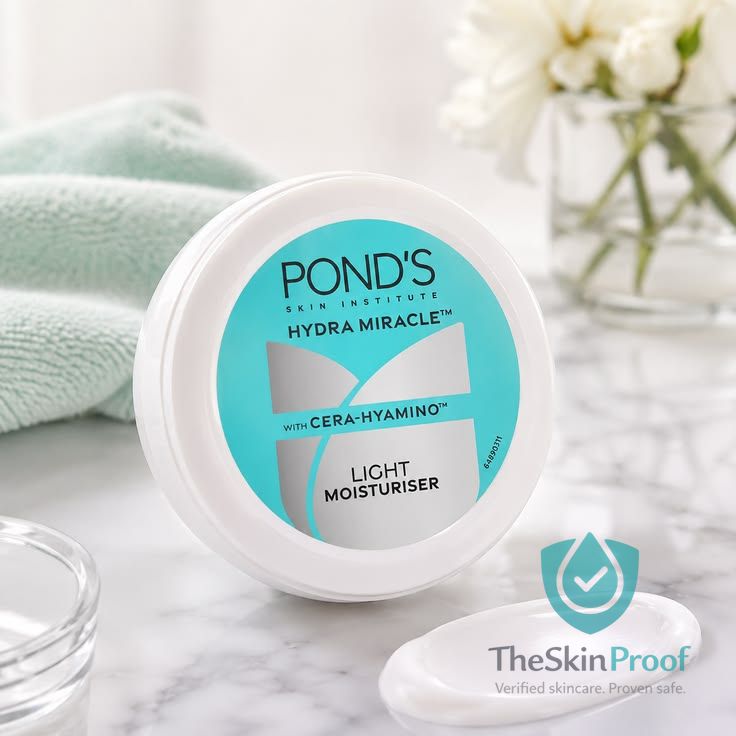 Pond's Hydra Miracle with Cera-Hyamino Light Moisturiser৳499Buy
- 3
During the day
Lip balm
After rinsing the mouth, pat lips dry and apply a thin layer. Don't lick your lips.
 Vaseline Lip Therapy Cocoa Butter৳298Buy
- 4
Night
Body lotion on hands and feet after Isha
Before sleep, massage about half a teaspoon into the hands and a teaspoon into each foot, including between the fingers and the wrists.
 Vaseline Intensive Care Cocoa Glow Body Lotion৳789Buy
- 5
Before bed
Thick balm on heels and fingertips
Put a little thick balm on cracked heels and fingertips and wear cotton socks. See a doctor if there is bleeding or pus.
 Bioderma Atoderm Intensive Baume৳1,799Buy
💡 Drying completely after every wudu is the biggest single fix; keep a small cotton handkerchief in your pocket.
Frequently asked questions
Why do my hands crack after wudu in winter?
When wet hands air-dry in dry winter air, the water evaporates and pulls the skin's own moisture with it. Five times a day, that weakens the skin barrier until it cracks. Pat completely dry with your own towel or handkerchief every time, dry between the fingers separately, and apply body lotion to your hands before sleep.
What kind of lotion is best between wudus?
A thin, water-based lotion that absorbs within a minute and leaves no greasy film, such as Cetaphil Moisturizing Lotion or Pond's Hydra Miracle Light Moisturiser, in a pea-sized amount. Keep thick creams and balms for after Isha before sleep, when there is a long gap with no wudu ahead. Follow your own scholar's guidance on the religious side.
Is a hand cream necessary for people who pray five times a day?
Not really. A dedicated hand cream isn't on our shelf right now, but a thin lotion in the day and a generous layer of body lotion such as Vaseline Intensive Care Cocoa Glow at night works for most people. Add a thick balm on cracked fingertips at night and wear rubber gloves for dishes and laundry.
How do I stop heels cracking from washing my feet for wudu?
Dry the whole foot including between the toes after every wash, and avoid standing barefoot on cold floors. Before sleep, apply a thick cream such as Bioderma Atoderm Intensive Baume to the heels and wear cotton socks. See a doctor for bleeding or infected cracks, and if you have diabetes, for any crack at all.